
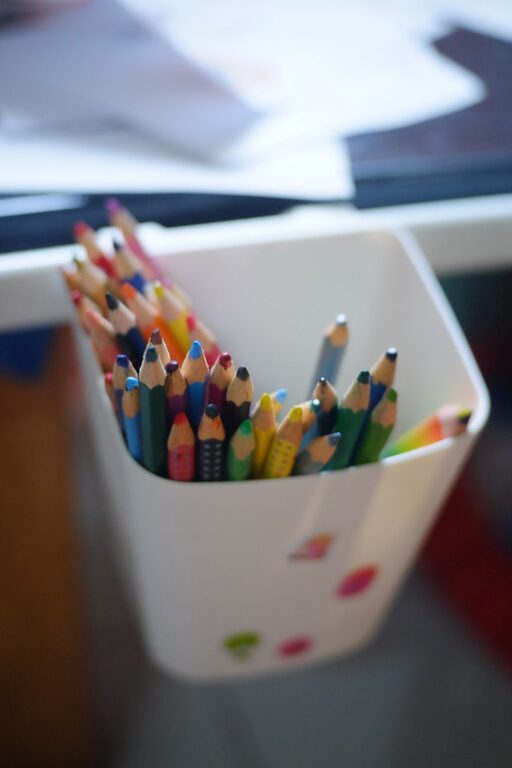
Children’s artwork is precious, bursting with creativity and cherished memories. However, as the masterpieces pile up, it can quickly become overwhelming to manage and store them all. Keeping kids’ art organized not only preserves these memories but also helps maintain a neat and clutter-free home. If you’re wondering how to handle the collection of colorful drawings, paintings, and crafts, this guide offers practical tips and ideas to keep your children’s art organized and easily accessible.
Why Organize Kids’ Art?
Organizing your kids’ artwork has several benefits:
– Preserves memories: Art can capture moments in your child’s growth and development.
– Reduces clutter: Prevents piles of drawings from taking over your home.
– Encourages creativity: An organized space can motivate kids to create more.
– Makes sharing easy: You can quickly find pieces to display or gift to family.
Getting Started: Sort and Select
Before diving into storage ideas, start with sorting:
Step 1: Gather All Artworks
Collect every piece of art from around the house – the fridge, backpacks, bedrooms, and play areas.
Step 2: Sort by Type and Date
Group similar items together:
– Drawings and sketches
– Paintings
– Crafts and 3D projects
– School projects or special event art
Sorting by date or school year can help track your child’s progress over time.
Step 3: Select Favorites
Not every piece needs to be saved. Together with your child, choose favorites to keep long term. This helps reduce clutter and involves your child in decision-making.
Creative Storage Solutions
Once sorted, choose storage methods that fit your space, style, and the types of artwork.
1. Use Art Portfolios or Binders
Large art portfolios are great for flat pieces. You can buy clear sleeves or folders to insert individual artworks.
Tips:
– Label each portfolio by year or child’s name.
– Use three-ring binders with plastic sleeves for smaller art.
– Store portfolios in a filing cabinet or shelf.
2. Create an Art Display Area
Designate a wall or corkboard to showcase current favorites. This makes the art feel special and encourages regular rotation.
Ideas:
– Use clipboards or strings with clips to easily swap art.
– Frame standout pieces for a gallery look.
– Magnetic boards or wire grids work well for flexible displays.
3. Digital Archiving
Take photos or scan artwork for a space-saving digital archive.
Benefits:
– Save hundreds of pieces without physical clutter.
– Share easily with family and friends.
– Create photo books or slideshows for keepsakes.
There are apps designed specifically for organizing kids’ art, adding features like tagging by date or theme.
4. Storage Boxes and Containers
For 3D art and crafts, sturdy boxes or plastic bins are ideal.
Tips:
– Use clear containers to easily see contents.
– Label boxes by child or year.
– Keep fragile items cushioned with tissue or bubble wrap.
5. Repurpose Art
Turn artwork into practical items:
– Wrapping paper for gifts
– Greeting cards for family
– Collages or scrapbooks
This approach celebrates creativity while reducing storage needs.
Organizing Tips for Busy Parents
Keeping art organized doesn’t have to be time-consuming. Here are some helpful habits:
– Set up a routine: Regularly go through new art weekly or monthly.
– Create an “In-box”: Use a tray or folder where kids place new art for sorting later.
– Involve your children: Make organizing a fun activity to teach responsibility.
– Rotate displays: Change featured art to keep the space fresh and exciting.
– Limit saving space: Decide on a fixed amount of storage to avoid endless accumulation.
Maintaining Your System Over Time
As kids grow, their volume and style of art will change. Be flexible and update your organization system as needed.
– Review saved art each school year.
– Consider digitizing older pieces to free space.
– Encourage kids to curate their collection themselves.
– Celebrate milestones by creating special albums or framed collections.
Conclusion
Organizing kids’ artwork is a wonderful way to honor their creativity and keep your home tidy. With a bit of planning and the right storage methods, you can create a system that works for your family’s lifestyle. Whether you choose to display, store, or digitize, the ultimate goal is to preserve these precious memories in a way that brings joy to you and your children for years to come. Happy organizing!