
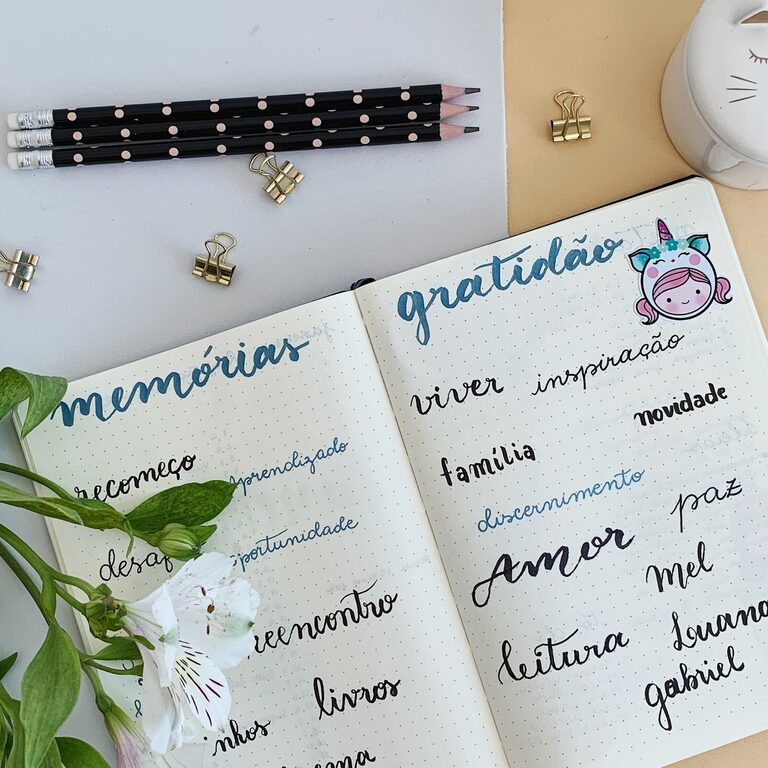
Journaling is a powerful and flexible tool that can help you organize your thoughts, improve your mental clarity, and track your personal growth. For beginners, starting a daily journaling habit might feel overwhelming, but with the right approach, it can become an enjoyable and rewarding part of your routine. This guide will walk you through the basics of journaling every day, offering practical tips and highlighting the benefits.
Why Journal Every Day?
Journaling daily offers several advantages, such as:
– Improved Mental Clarity: Writing regularly helps clear your mind and organize your thoughts.
– Emotional Expression: It provides a safe space to express emotions and reflect on experiences.
– Enhanced Creativity: Daily practice can spark new ideas and encourage creative thinking.
– Goal Tracking: Journals are great for tracking progress toward personal or professional goals.
– Stress Reduction: The act of writing can be calming and help reduce anxiety.
Understanding these benefits can motivate you to establish a consistent journaling habit.
Choosing the Right Journaling Method
There are many ways to journal, and the best method depends on your preferences and lifestyle:
Traditional Pen and Paper
– A physical notebook can be a tactile and satisfying choice.
– You can personalize your journal with drawings or stickers.
– It helps minimize digital distractions.
Digital Journaling
– Apps like Evernote, Day One, or simple word processors offer convenience.
– You can easily search past entries.
– Digital journals can be accessed across devices.
Try both methods to see which feels more natural for your daily routine.
Setting Up Your Daily Journaling Practice
Find a Consistent Time
Choose a time of day when you’re least likely to be interrupted. Common options include:
– Morning, to set intentions for the day.
– Evening, to reflect on the day’s events.
Start Small
Begin with just 5 minutes or a few sentences. This lowers the barrier to entry and helps you avoid burnout.
Use Prompts to Get Started
Sometimes staring at a blank page can be intimidating. Try prompts such as:
– What am I grateful for today?
– What is one thing I learned?
– What challenged me?
– What made me happy?
Create a Comfortable Space
Settle in a quiet and cozy environment, whether it’s a favorite chair or a café corner.
Ideas for Daily Journaling Content
To keep your journaling fresh and meaningful, vary what you write about. Here are some ideas:
– Gratitude Lists: Write three things you’re thankful for.
– Daily Highlights: Summarize the most memorable parts of your day.
– Goals and Progress: Note milestones or steps toward your objectives.
– Dream Journal: Record dreams right after waking up.
– Emotional Check-In: Describe your mood and feelings.
– Creative Writing: Write a poem, dialogue, or a short story snippet.
Overcoming Common Challenges
Lack of Time
– Keep entries brief.
– Combine journaling with another habit like morning coffee.
Fear of Judgment
– Remember, your journal is private.
– There’s no “right” or “wrong” way to journal.
Losing Motivation
– Revisit why you started.
– Celebrate small milestones (e.g., a week of journaling).
Tips for Maintaining Consistency
– Set reminders on your phone.
– Keep your journal visible and within reach.
– Share your journaling goal with a supportive friend.
– Reward yourself for sticking to the habit.
Conclusion
Starting a daily journaling practice is simple and flexible. By choosing the right tools, setting a manageable routine, and exploring different ways to express yourself, you can enjoy the many benefits of journaling. Remember, the goal isn’t to write perfectly but to make time for reflection and growth. Pick up your pen or open your app today and start your journaling journey!